-1280x720.jpg "The Best Sanding Bands of 2026: How to Choose and Use Them Safely")
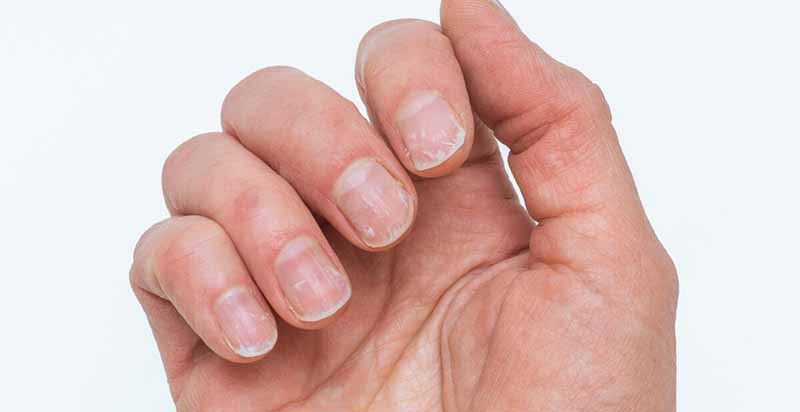
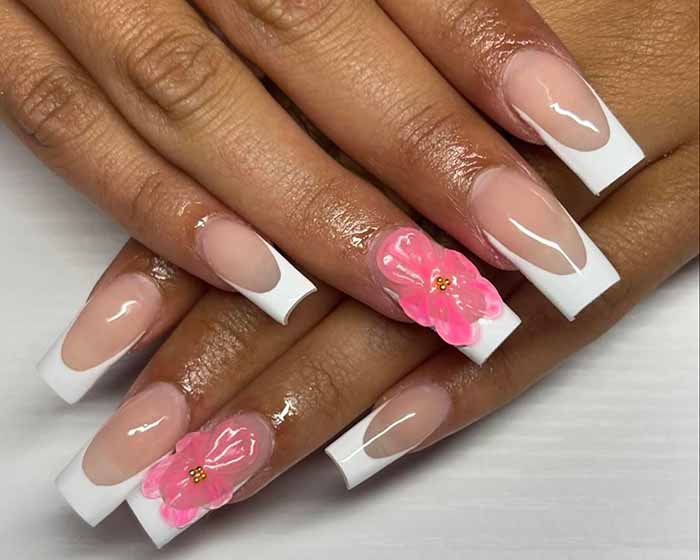
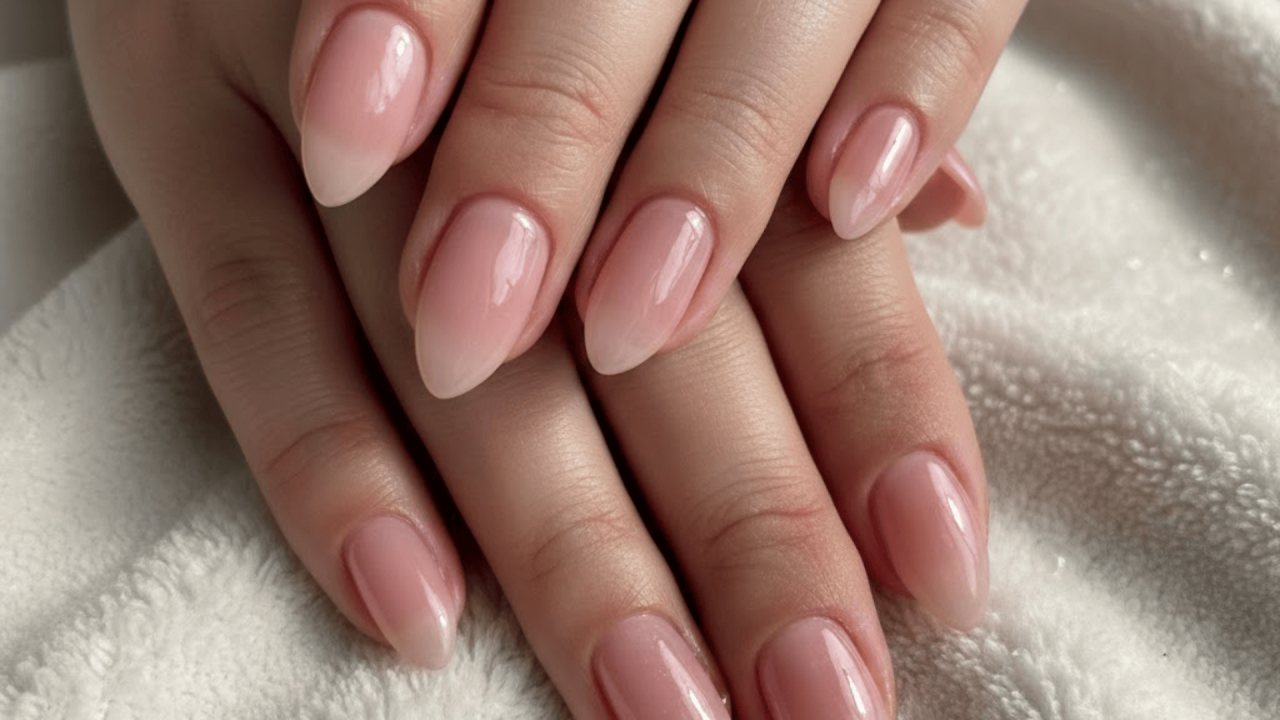
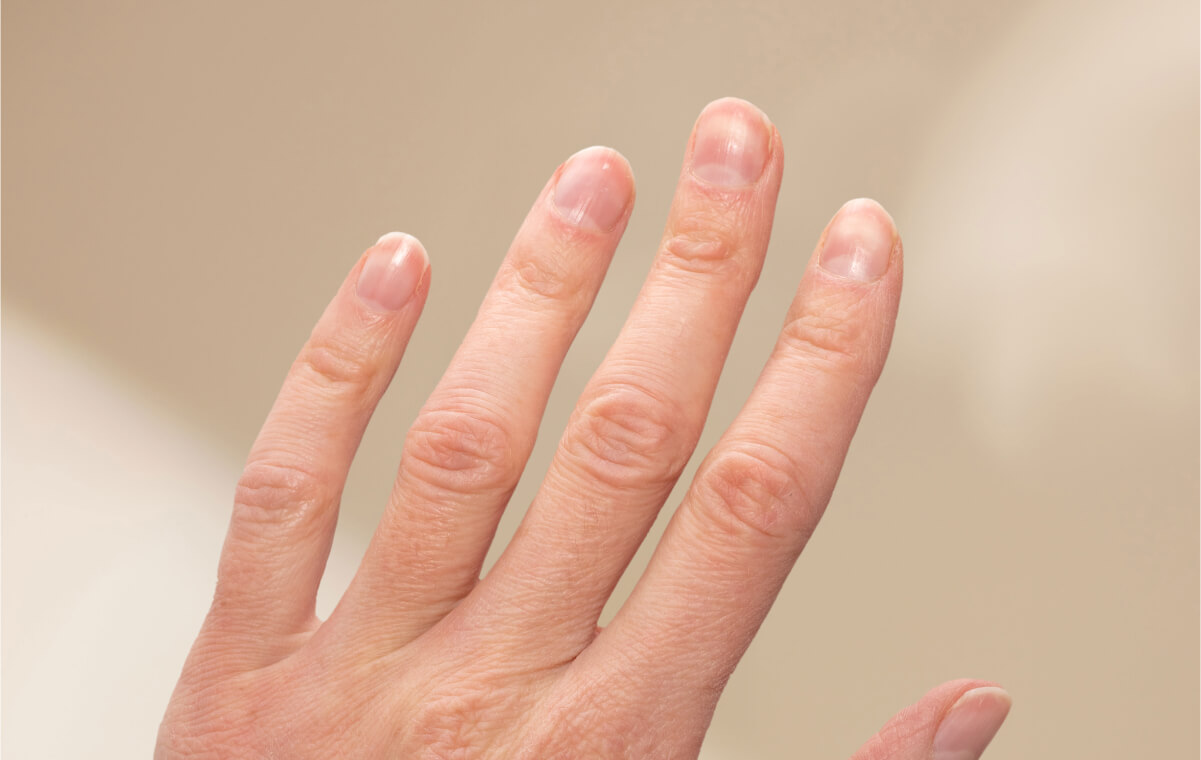

I used to believe that brittle nails were just my fate. No matter what I did—strengtheners, supplements, careful filing—my nails would still peel, split, and break at the slightest pressure. I assumed it was genetics and that I just had to live with it. Then I learned that most brittle nails are not permanent. They are symptoms of habits, care routines, or nutrition that can be changed.
Here is everything I have learned about brittle nails: why they happen, how to fix them, and how to keep them strong.
Why Do Nails Become Brittle?
Brittle nails are often a sign that the nail plate is losing moisture or that the bonds between nail layers are breaking down. The most common cause is frequent water exposure. Dishwashing, long showers, and frequent hand washing cause the nail plate to swell and shrink repeatedly. This weakens the bonds between nail layers, leading to peeling and splitting.
Harsh chemicals are another major factor. Cleaning products, acetone-based removers, and even some soaps strip the nail of its natural oils, leaving it dry and brittle. Acetone, in particular, is extremely drying to the nail plate.
Physical trauma from using your nails as tools—opening cans, peeling stickers, or scraping—creates micro-fractures that weaken the nail plate and lead to brittleness. Aggressive filing (sawing back and forth) also creates micro-tears that travel up the nail as it grows.
Nutritional factors also play a role. Nails need protein, iron, zinc, and biotin to stay strong. If your diet lacks these, your nails will show it. Your nails reflect your overall nutritional status.
Aging naturally slows nail growth and reduces oil production, making nails more prone to brittleness.
Underlying health conditions such as thyroid disorders, anaemia, and psoriasis can also cause brittle nails. If your nails are consistently brittle or peeling despite good care, it is worth consulting a healthcare professional.
Is Brittle Nails a Common Problem?
Yes. Brittle nails are one of the most common nail complaints. It is estimated that up to 20% of the population experiences brittle nails at some point, and the condition becomes more common with age. It is particularly prevalent in women, who often have thinner, more flexible nails than men. If you have brittle nails, you are not alone, and the condition is usually manageable with the right care.
How to Strengthen Brittle Nails Effectively
Strengthening brittle nails is about addressing both internal and external factors. It takes time—a full nail cycle takes 4 to 6 months—but consistent care yields results.
Protect your nails from water. This is the single most effective step. Wear rubber gloves for dishwashing, cleaning, and any task that exposes your nails to water or chemicals. Dry your hands thoroughly after washing.
Hydrate your nails daily. Apply cuticle oil at least twice a day. Jojoba oil is ideal because it closely mimics the skin’s natural oils and penetrates the nail plate. Massage a drop into each nail and cuticle morning and night. A rich hand cream applied after every wash helps lock in moisture.
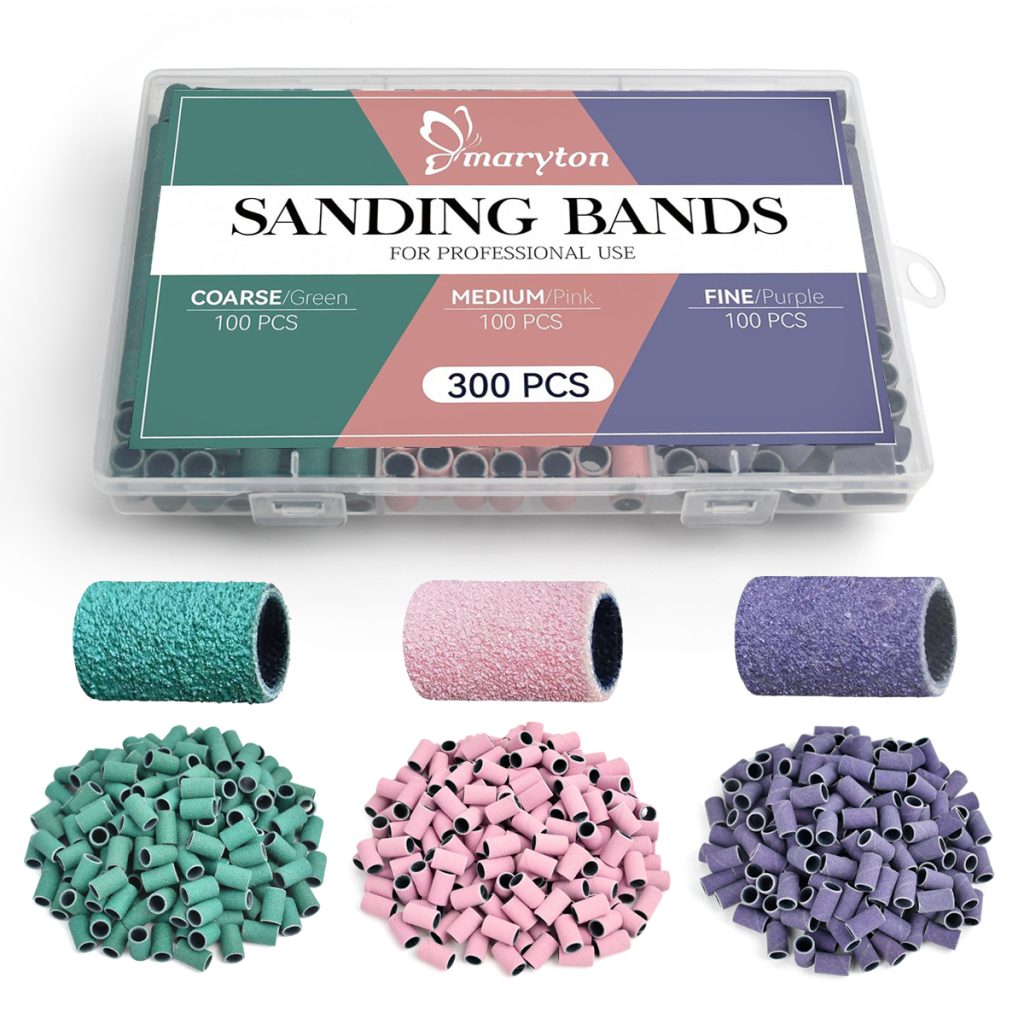
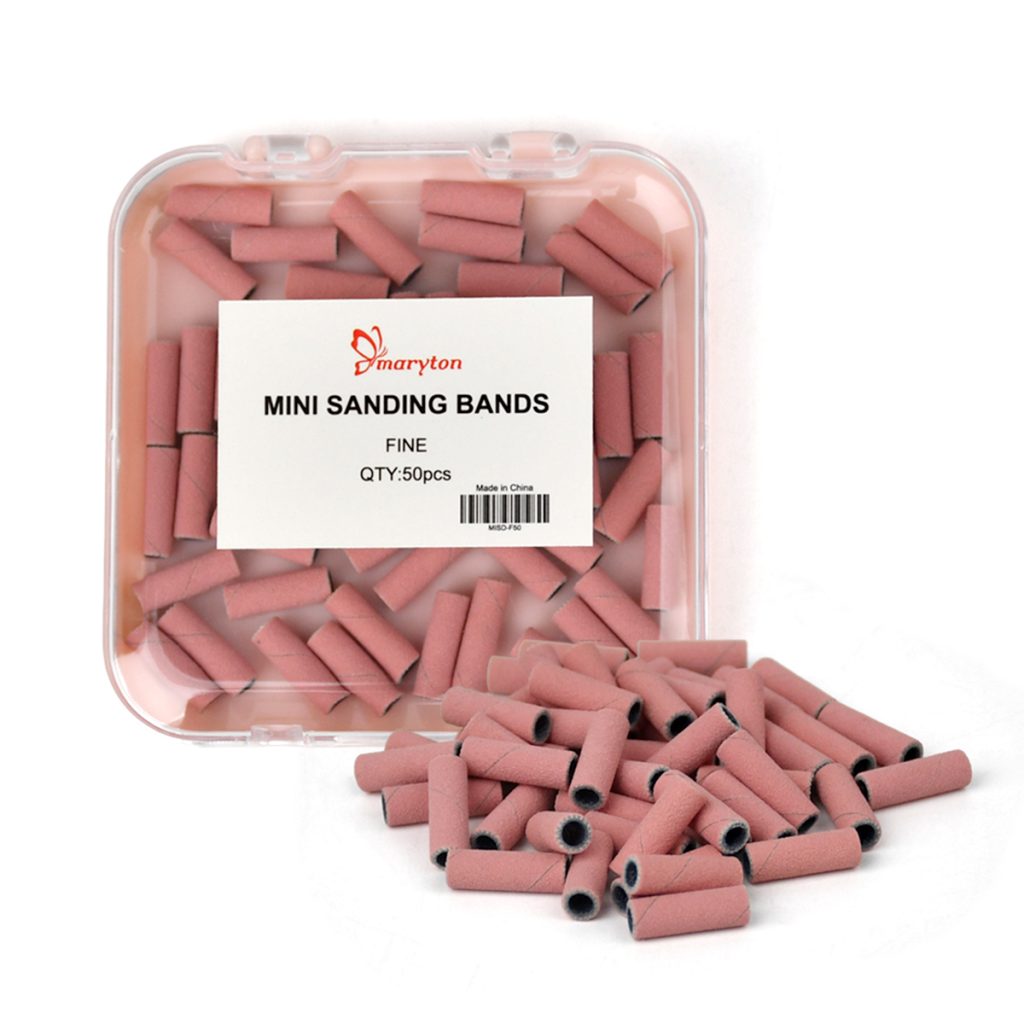
File correctly. Always file in one direction—never saw back and forth. Use a fine-grit sanding band on natural nails. File dry nails only; wet nails are soft and tear. Keep nails at a manageable length to reduce the risk of breakage.
Take breaks from polish. Constant coverage—especially gel or acrylic—can dry out the nail plate. Give your nails a few days of bare, oiled rest every month. This allows the nail plate to rehydrate and helps you spot any changes in colour or texture.
Use a nail strengthener. A keratin-based or calcium-based strengthener can help. Apply a thin layer once a week. Avoid strengtheners containing formaldehyde, which can make nails brittle over time.
Eat for nail health. Nails are made of keratin—a protein. A diet rich in protein, iron, zinc, and biotin supports strong, healthy growth. Include eggs, nuts, leafy greens, and lean meats in your diet. A balanced diet is more effective than supplements alone.
Daily Care Routine for Stronger Nails
A consistent routine takes just a few minutes a day but makes a significant difference.
Morning: Apply cuticle oil to each nail and massage in. Use a hand cream after washing.
During the day: Wear gloves for wet work. Avoid using your nails as tools. If you wear polish, reapply top coat every few days.
Evening: Remove polish if needed. Apply a rich hand cream before bed. For extra hydration, wear cotton gloves overnight.
Weekly: Shape your nails with a nail file. Push back cuticles gently. Apply a strengthener if needed. Check for signs of damage or discoloration.
How to Prevent Nail Brittleness
Keep nails dry. This is the most important preventive step. Wet nails are soft and susceptible to damage. Dry them thoroughly after washing.
Moisturise daily. Cuticle oil and hand cream are essential. Healthy, hydrated nails are less prone to brittleness.
File correctly. Use a fine-grit file and file in one direction. Avoid aggressive filing.
Be gentle. Treat your nails with care. Do not use them as tools. Avoid picking at polish or cuticles.
Protect your hands. Wear gloves for dishwashing, cleaning, and gardening.
Maintain a balanced diet. A diet rich in protein, iron, zinc, and biotin supports strong nail growth.
Give your nails breaks. Allow your nails to rest between polish applications. A few days of bare, oiled nails every month makes a difference.
The Bottom Line
Brittle nails are common, but they are not permanent. With consistent care—protection from water, daily hydration, proper filing, and a balanced diet—you can transform weak, peeling nails into strong, resilient ones. If your nails remain brittle despite good care, consult a healthcare professional to rule out underlying health conditions. Your nails reflect your overall health; treat them with care, and they will reward you with strength and beauty.
Read also: Artificial Nails: A Complete Guide to Types, Pros and Cons, and How to Choose
[…] Best Sanding Bands of 2026: How to Choose and Use Them Safely The Complete Guide to Brittle Nails: Causes, Solutions, and Prevention Artificial Nails: A Complete Guide to Types, Pros and Cons, and How to Choose Builder Gel: […]