-1280x720.jpg "The Best Sanding Bands of 2026: How to Choose and Use Them Safely")
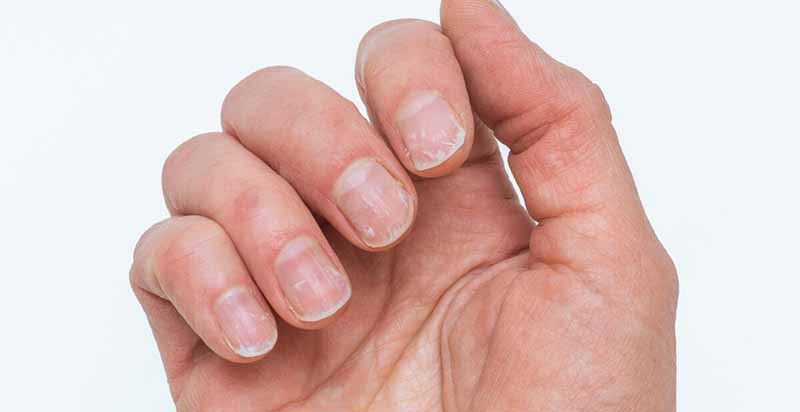
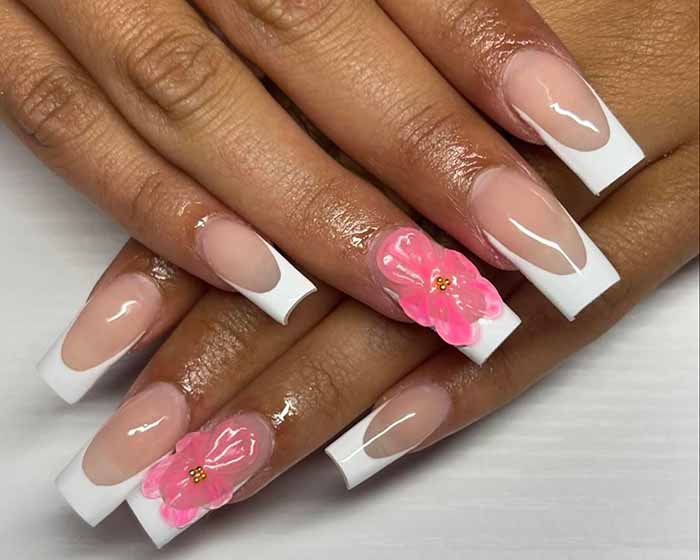
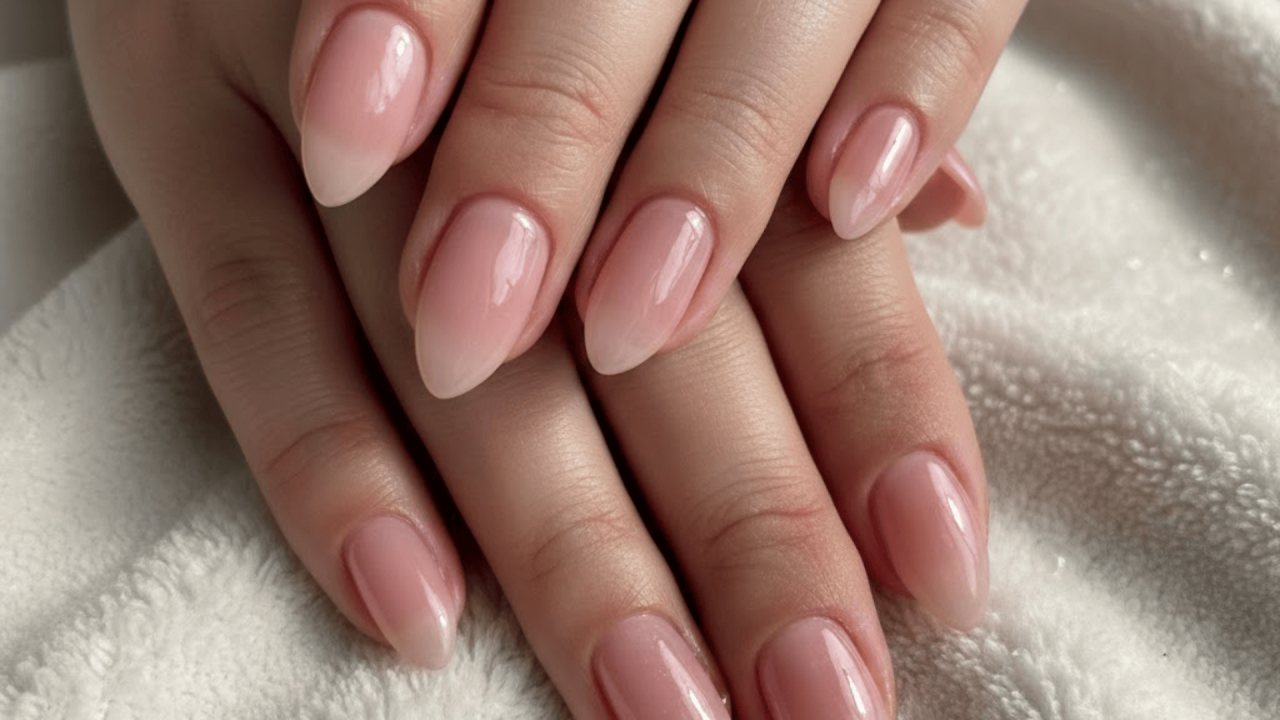
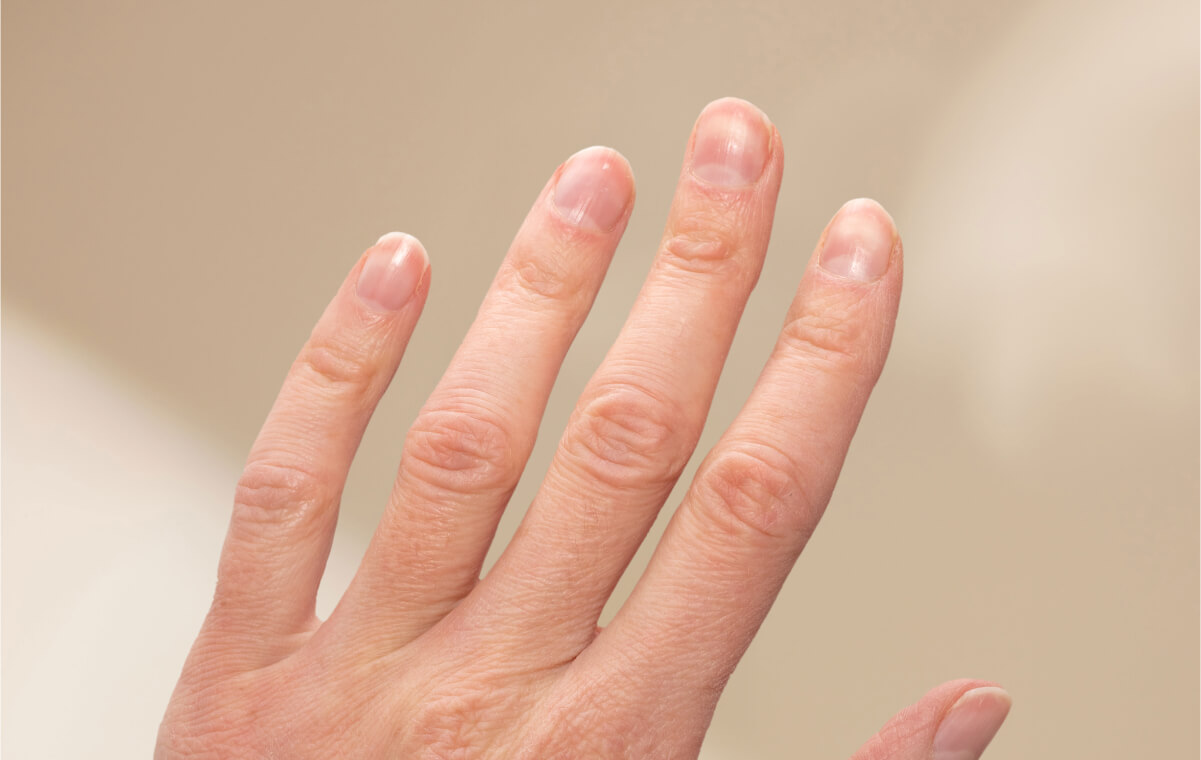

Artificial nails are enhancements applied over your natural nails to add length, strength, or artistic design that your own nails cannot easily achieve. They have become a staple in modern beauty, offering everything from a quick weekend glamour to long‑lasting structural support for weak or damaged nails. With so many options available, understanding the differences is key to making the right choice.
What Are Artificial Nails?
At their core, artificial nails are any product that extends or reinforces the natural nail plate. They can be made from various materials, applied by professionals or at home, and last anywhere from a few days to several weeks. Most artificial nail systems involve a liquid or gel that hardens (either through chemical reaction or UV/LED light) to form a hard, durable layer.
The Main Types of Artificial Nails
1. Acrylic Nails
Acrylics are the classic choice. They are created by mixing a liquid monomer with a powder polymer, which forms a soft bead that hardens in air within minutes. The mixture is sculpted onto the nail or over a tip, then filed into shape with a nail file. Acrylics are extremely strong, durable, and can be repaired easily. However, they have a strong odor during application and require regular fills (every 2–3 weeks). Removal is done by filing or soaking in acetone, and improper removal can weaken natural nails.
2. Gel Nails (Hard and Soft Gel)
Gel nails use a pre‑mixed gel that is applied like polish and cured under a UV or LED lamp. Hard gel is thick and strong, ideal for extensions and sculpting. Soft gel (often called soak‑off gel) is more flexible, used for overlays and color. Gels have a glossy, natural look, are odor‑free, and feel lighter than acrylics. They are less prone to lifting but can be more expensive and require a lamp for curing.
3. Polygel (Hybrid)
Polygel combines the best of acrylic and gel. It comes in a tube, has a clay‑like consistency that doesn’t run, and cures under a UV/LED lamp. It is lightweight, flexible, odor‑free, and easier for beginners to shape. Polygel is strong but not as brittle as acrylic, and it can be soaked off with acetone. It is often touted as the most beginner‑friendly system for home use.
4. Dip Powder
Dip powder nails involve applying a bonding base coat, then dipping the finger into a colored acrylic powder. This is repeated for opacity, then sealed with an activator and top coat. No lamp is needed. Dip nails are very durable, chip‑resistant, and last up to 4 weeks. However, the dipping process can be messy, and hygiene concerns arise if multiple people share the same powder.
5. Press‑On Nails (Adhesive Tips)
Press‑ons are pre‑made false nails that attach with adhesive tabs or nail glue. They are the fastest and most affordable option, available in countless designs. They are safe for natural nails (no chemicals, no filing), but they are the least durable – often popping off within days, especially with water exposure. They are best for short‑term events.
Advantages and Disadvantages at a Glance
| Type | Advantages | Disadvantages |
| Acrylic | Very strong, long lasting, repairable | Strong odor, requires filing for removal, can damage natural nails if removed incorrectly |
| Gel | Natural look, odor‑free, flexible, glossy | Requires UV/LED lamp, can be more expensive, hard gel must be filed off |
| Polygel | Lightweight, flexible, odor‑free, beginner‑friendly | Requires lamp, needs practice to shape perfectly, not as widely available |
| Dip Powder | Very durable, no lamp needed, long wear | Hygiene risk with shared powder, removal requires acetone soak, thick finish |
| Press‑On | Cheap, instant, no chemicals, reusable | Short lifespan, can pop off easily, glue may damage nails if peeled |
How to Choose the Right Artificial Nails for You
Your choice depends on your lifestyle, budget, and nail health.
- If you need maximum strength and length for weeks – Choose acrylics. Ideal for those who are hard on their hands or want dramatic nails.
- If you prefer a natural, glossy finish and are willing to invest in a lamp – Gels are perfect. Great for everyday wear and those with sensitive noses.
- If you want a DIY‑friendly, lightweight option – Polygel is your best bet. It’s forgiving and requires less skill than acrylic.
- If you hate lamps and strong smells but still want durability – Dip powder nails are a solid alternative, but make sure the salon uses fresh powder for each client.
- If you need a quick, temporary fix for a night out – Press‑on nails are convenient, but don’t expect them to last through dishwashing.
Always consider the health of your natural nails. No matter which type you choose, proper application, maintenance, and safe removal (never peeling) are essential. Give your nails breaks between sets, moisturize cuticles daily, and consult a professional if you notice signs of infection or allergic reaction.
Artificial nails can be a fun and beautiful way to express your style. By understanding the trade‑offs, you can enjoy stunning nails without compromising your natural nail health.
Read also: Builder Gel: Your Ultimate Guide to Stronger, Longer Natural Nails