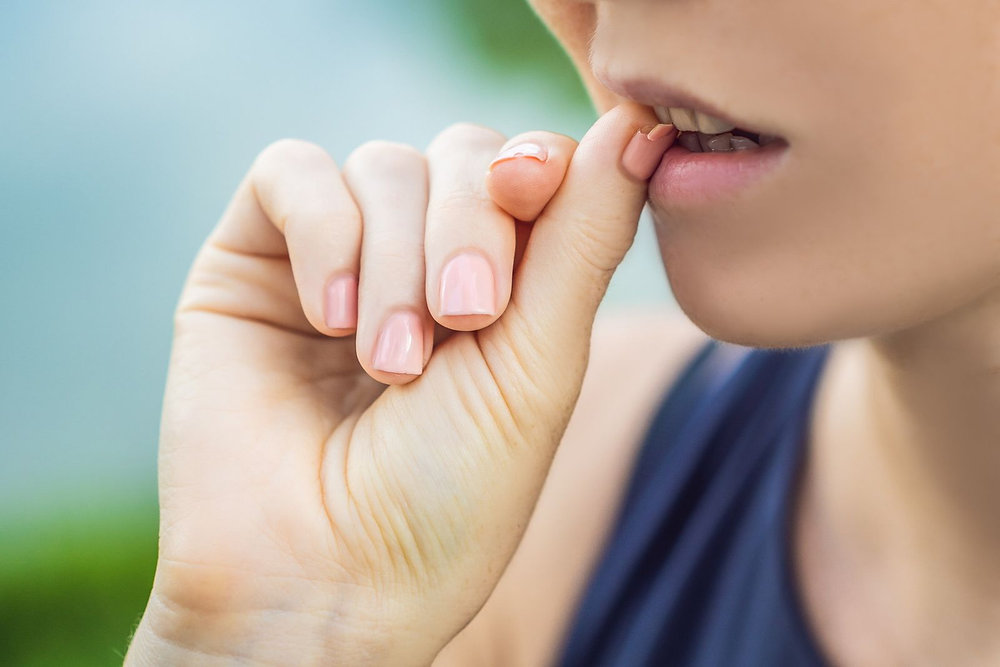

Have you ever noticed how a baby’s nails are soft, pliable, and almost transparent, while an older person’s often seem thicker, ridged, or discolored? Our nails, much like our skin and hair, are a visible diary of time, quietly recording the story of our age and health. They are not just cosmetic accessories but resilient shields made of keratin, a protein that safeguards our sensitive fingertips. As the years pass, this protective armor undergoes its own journey of change. Understanding why nails age, what common transformations to expect, and what signals they might send about our inner wellness is the first step toward nurturing them. Strong, healthy nails are within reach, and it often starts with listening to what they’re trying to tell us.
So, why do nails change as we grow older? The primary culprit is a natural slowdown. The nail matrix, the growth engine hidden under the cuticle, becomes less productive. Cell regeneration slows, leading to a gradual decrease in growth rate—by up to 50% after middle age. Furthermore, blood circulation to the extremities can diminish over time. This means fewer nutrients and less oxygen reach the nail bed, affecting the quality and strength of the new nail plate that forms. Finally, a lifetime of minor traumas—from typing and gardening to simple bumps—accumulates. The nail’s ability to repair itself diminishes, leaving lasting impressions. It’s a combination of biological inevitability and the wear and tear of a life lived.
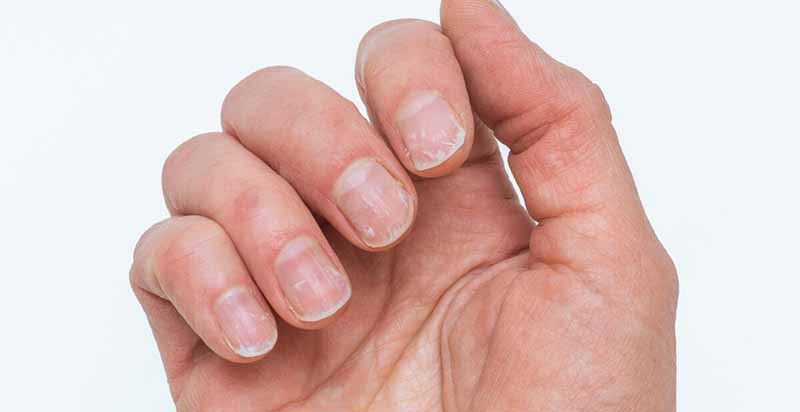
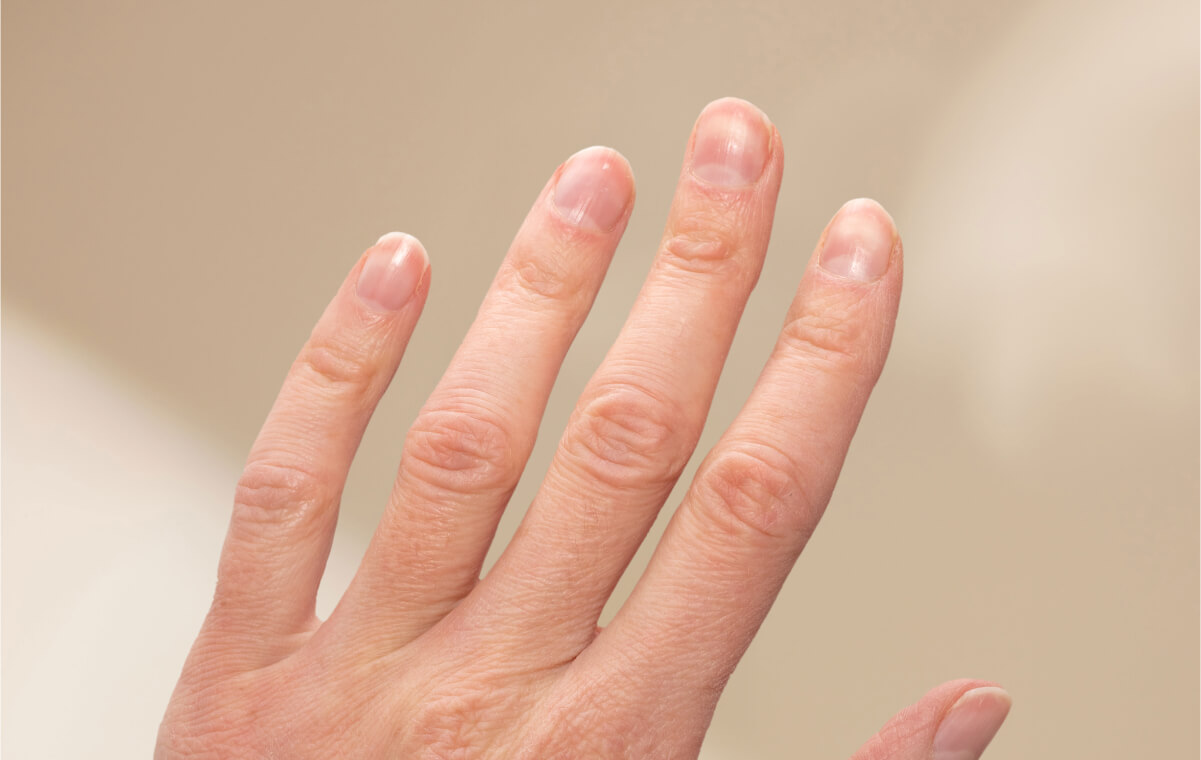
These processes manifest in several common ways. You might notice vertical ridges running from cuticle to tip, like tiny train tracks. These are usually harmless, simply reflecting the uneven growth of the nail matrix over time. Brittleness and splitting are also frequent complaints. Slower growth and reduced moisture and lipid content make nails dryer and more prone to cracking. Thickening, particularly on the toenails, is another classic sign, often due to reduced wear and tear or fungal infections that find easier purchase in aging nails. Discoloration can occur, with nails taking on a yellowish or opaque hue, sometimes from staining, medication, or underlying conditions. Lastly, nails may lose their youthful convex curve, becoming flatter or even developing a spoon-like concavity in some cases.
Beyond aging, nails can be surprising whistle-blowers for general wellness and nutritional status. While not diagnostic on their own, persistent changes warrant attention. Extreme brittleness and dryness can sometimes point to a deficiency in essential vitamins and minerals like biotin, iron, or zinc. Spoon nails (koilonychia), where the nail curves upward, are classically associated with iron deficiency anemia. Pale or white nail beds might suggest anemia or poor circulation, while a bluish tint can indicate low blood oxygen levels. Deep horizontal grooves or dents (Beau’s lines) can appear after a severe illness, high fever, or significant stress, temporarily disrupting nail growth. Clubbing, where the fingertips enlarge and nails curve dramatically around them, is a sign that requires prompt medical investigation as it can be linked to lung or heart conditions. Your nails are a mirror; sometimes, they reflect issues that need a deeper look.
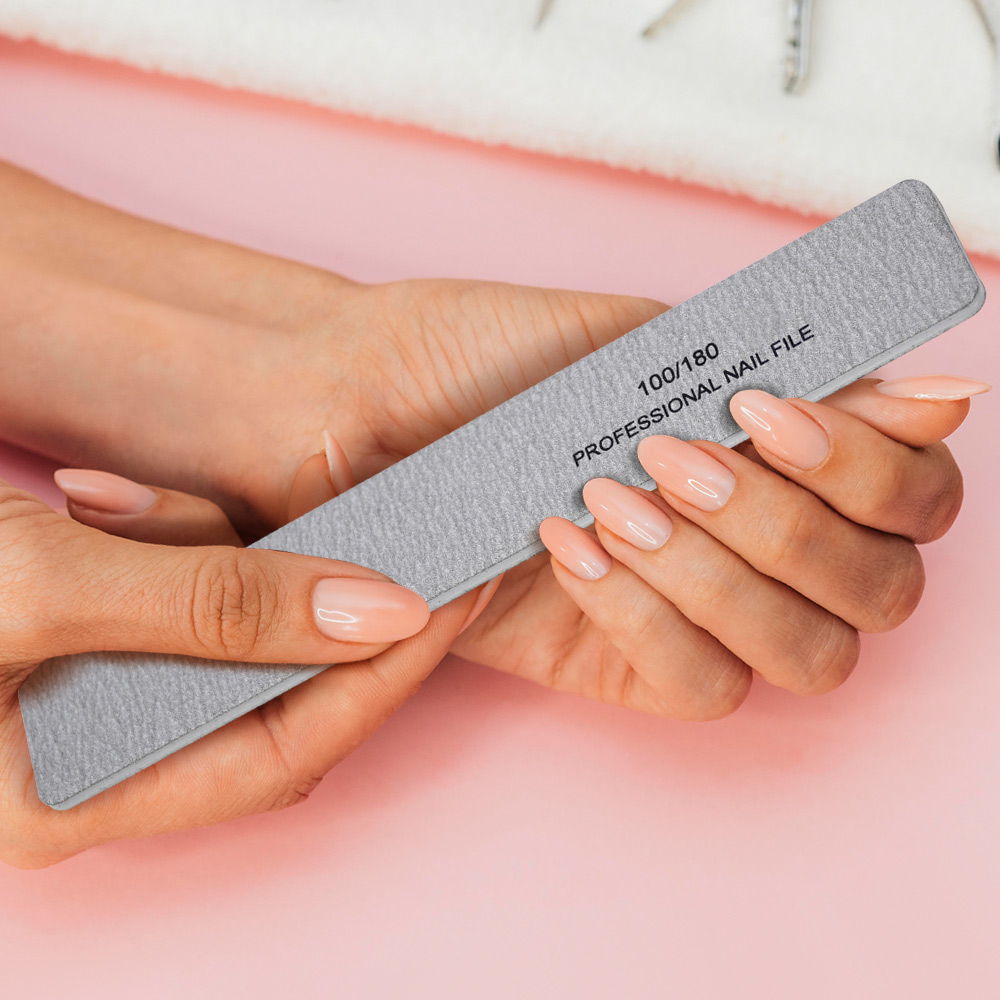
The good news is that we can actively promote stronger nails at any age. The foundation is internal nourishment. A balanced diet rich in protein (the building block of keratin), iron (found in lean meats and leafy greens), omega-3 fatty acids (from fish and flaxseeds), and biotin (in eggs and nuts) fuels healthy growth. Gentle external care is equally crucial. Keep nails filed smoothly with a nail file to prevent snags. Moisturize your hands and cuticles daily with a simple cream or oil. Wear gloves for wet chores and gardening to protect against water, chemicals, and trauma. Give nails a break from harsh polishes and removers, opting for acetone-free formulas. Finally, protect your overall health: manage stress, stay hydrated, and don’t ignore sudden or severe nail changes—consulting a doctor or dermatologist can rule out underlying causes.
Our nails are more than just keratin at our fingertips. They are a testament to time, a canvas that shows the marks of our lives, and occasionally, a subtle bulletin board for our body’s needs. By understanding the natural aging process, recognizing common changes, and heeding potential wellness signals, we move from mere observation to empowered care. With consistent, simple habits focused on holistic health and gentle maintenance, we can support our nails in remaining strong, resilient, and healthy companions for years to come. The journey to stronger nails starts not with a miracle polish, but with a mindful look at your own hands.
Read also: Understanding and overcoming nail biting habits